Why Radon Mitigation Services Are a Smart Investment for Your Home
@radonmitigationserviceslife
October 18, 2026 · 9 min read
When I bought my first house in York County, Pennsylvania, I never thought much about radon gas. It was invisible, odorless, and frankly, it felt like one of those things you read about in the EPA pamphlet but never actually deal with. Then a friend mentioned that her home inspection had turned up high radon levels, and she had to scramble to find a mitigation company. That conversation got me thinking. I started asking around, and pretty soon I realized that radon testing was something every homeowner in this region should take seriously. Radon is a naturally occurring soil gas that seeps into basements and crawl spaces. It can build up to dangerous concentrations if you do not have proper ventilation or a radon mitigation system in place.
The more I learned, the more I understood why radon mitigation services have become so important for homeowners in Pennsylvania. The EPA estimates that radon causes thousands of lung cancer deaths each year, and it is the second leading cause of lung cancer after smoking. That is not a statistic you can ignore. But the good news is that radon levels can be managed effectively. With the right approach, you can reduce the risk and protect your family. The key is to take action early and work with a licensed contractor who knows the local geology and building codes.
Understanding Radon and How It Gets Into Your Home
Radon gas comes from the natural decay of uranium in soil and rock. It moves up through the ground and into the air. When a house sits on top of that soil, the gas can enter through cracks in the foundation, gaps around pipes, or even through the concrete itself. In York County, the geology is such that radon levels can vary widely from one neighborhood to the next. I have seen homes just a few blocks apart where one had safe levels and the other required immediate action. That is why a single radon test is not enough. You need to understand the seasonal variation and the specific construction of your house.
Most mitigation companies recommend a long-term radon detector that sits in your lowest living level for at least 90 days. This gives you a more accurate picture of your average exposure. Short-term tests are useful for a quick check, but they can be influenced by weather and ventilation. Once you have confirmed that your radon levels are above the EPA action level of 4 picocuries per liter, it is time to consider professional radon mitigation services.
What a Radon Mitigation System Actually Does
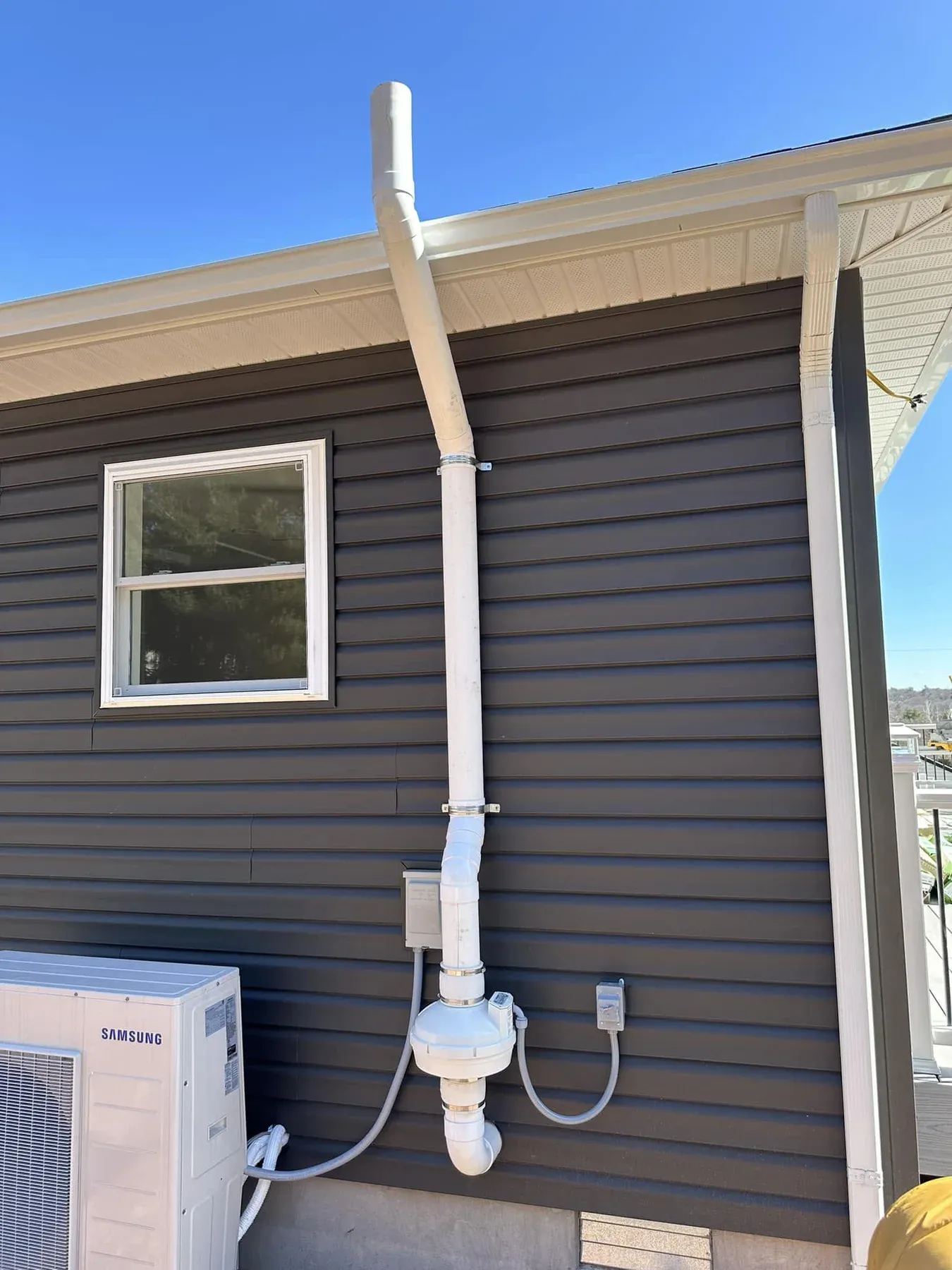
A typical radon mitigation system uses a method called active soil depressurization, often referred to as sub-slab depressurization. This involves creating a suction point under the concrete slab of your basement or crawl space. A radon fan is installed, usually in the attic or outside the house, to draw the soil gas from beneath the foundation and vent it safely above the roofline. The result is that the pressure under the slab is lower than the pressure inside the home, so radon cannot push its way in. It is a simple but effective engineering solution.
When I talked to Dan Jenkins, a local expert who has installed dozens of these systems in York County, he explained that the most important part is the sealing of the radon barrier. You cannot just rely on the fan. You need to seal all the major entry points: the sump pump pit, the floor drains, the gaps around utility lines. If you skip that step, the system will still work, but not as efficiently. A good mitigation company will do a thorough home inspection before they start, identifying every potential pathway. That attention to detail makes the difference between a system that brings levels down to 2 pCi/L and one that barely reaches 4.
The Cost of Radon Mitigation and Why It Varies
Radon mitigation cost can range from a few hundred dollars for a simple fix to several thousand for a complex system. The variables include the size of your home, the type of foundation, the accessibility of the crawl space, and whether you need a new radon fan or can tie into an existing vent. I have seen quotes in the York area that start around $1,200 and go up to $3,000 or more. That might sound like a lot, but compare it to the cost of a medical issue or the drop in property value if you try to sell a home with known radon problems. Most buyers today ask for a radon test as part of the home inspection, and if the levels are high, they will expect the seller to address it.
Some homeowners try to do it themselves, buying a radon fan and some PVC pipe from the hardware store. I would caution against that. A radon mitigation system needs to be designed for your specific house. The placement of the suction point, the size of the fan, and the routing of the vent pipe all affect performance. A licensed contractor understands local building codes and knows how to avoid creating other problems, like backdrafting from combustion appliances. Plus, many systems come with a warranty that covers the fan and the installation. That peace of mind is worth the extra money.
How Radon-Resistant Construction Can Help New Homes
If you are building a new home in Pennsylvania, you have an opportunity to include radon-resistant construction from the start. This usually involves placing a layer of gravel under the slab, covering it with a heavy-duty plastic radon barrier, and installing a passive vent pipe that runs up through the house. The idea is that even without a fan, the natural stack effect will draw some soil gas out. If testing later shows high levels, you can easily add a radon fan to the passive vent and convert it into an active soil depressurization system. It is a low-cost insurance policy that makes a lot of sense in this region.
I have seen homes that were built with radon-resistant features and homes that were not. The difference in indoor air quality and peace of mind is significant. When you consider that radon gas is a known carcinogen, adding a simple radon barrier and vent pipe during construction is a no-brainer. It costs a fraction of what retrofitting a system costs later.
Choosing a Mitigation Company in York County
Not all mitigation companies are created equal. Some will quote you a price over the phone without ever stepping foot on your property. That is a red flag. A reputable company will always do a site visit and a radon test before giving you a final quote. They will explain the different options and let you know what to expect in terms of radon levels after installation. They should also be willing to provide references from past customers in your area.
In York County, I have worked with Dan Jenkins, and I can say that his approach is transparent. He does not upsell unnecessary equipment, and he takes the time to walk you through the system after it is installed. He also offers a guarantee on the performance of the system, which is something you should always look for. When you hire a licensed contractor for radon mitigation services, you are paying for their expertise as much as the hardware. That expertise includes knowing how to handle tricky installations, like homes with multiple slabs or finished basements.
Maintaining Your Radon Mitigation System
Once your radon mitigation system is installed, it requires very little maintenance. The radon fan is designed to run continuously for years. You should check the manometer, which is a simple U-tube gauge that shows whether the fan is creating the right suction. If the gauge reads zero, the fan may have failed or the system might have a blockage. Also, keep an eye on the vent pipe to make sure it is not blocked by debris or snow. I always recommend doing a follow-up radon test a few months after installation to confirm that the system is working. After that, test every two years or whenever you make major changes to your home, like finishing a basement or adding an addition.
One thing that surprised me is that a radon mitigation system can also help with other soil gas issues, like moisture and mold. By depressurizing the soil under your slab, you reduce the amount of water vapor that migrates into your basement. That can improve the overall indoor air quality and make your basement feel less damp. It is a nice side benefit that most people do not think about.
The Bigger Picture: Radon and Your Health
Radon gas is a serious health hazard, but it is also one of the most manageable ones. Unlike some environmental risks, you can actually do something about radon. You can test for it, you can hire a professional for radon mitigation services, and you can verify that the system is working. The process is straightforward, and the cost is reasonable compared to the potential health impact. The EPA and the Pennsylvania Department of Environmental Protection both recommend that every home be tested for radon, especially in areas like York County where the geology is prone to higher radon levels.
I have seen families move into a home, test for radon, and discover levels of 10 or 15 pCi/L. That is alarming. But after installing a proper radon mitigation system, those levels often drop to below 2 pCi/L. That is a huge reduction. It means the family is no longer breathing in a significant source of radiation every day. For me, that is the most compelling reason to take action. You cannot see radon, but you can control it.
Final Thoughts on Radon Mitigation Services
If you live in Pennsylvania, especially in York County, radon should be on your radar. It is not something to panic about, but it is something to address with the same seriousness you would give to a leaky roof or an outdated electrical panel. The good news is that there are experienced professionals like Dan Jenkins who offer radon mitigation services at fair prices with transparent pricing. They can help you understand your options, install a system that works, and give you the peace of mind that comes from knowing your home is safe.
I encourage every homeowner to start with a simple radon test. You can buy a test kit at most hardware stores or online. If the results come back high, do not hesitate to call a mitigation company. The investment in your health and your home is worth it. And if you are in the market for a new home, look for one that already has a radon mitigation system or that was built with radon-resistant construction. It is one less thing to worry about down the road.